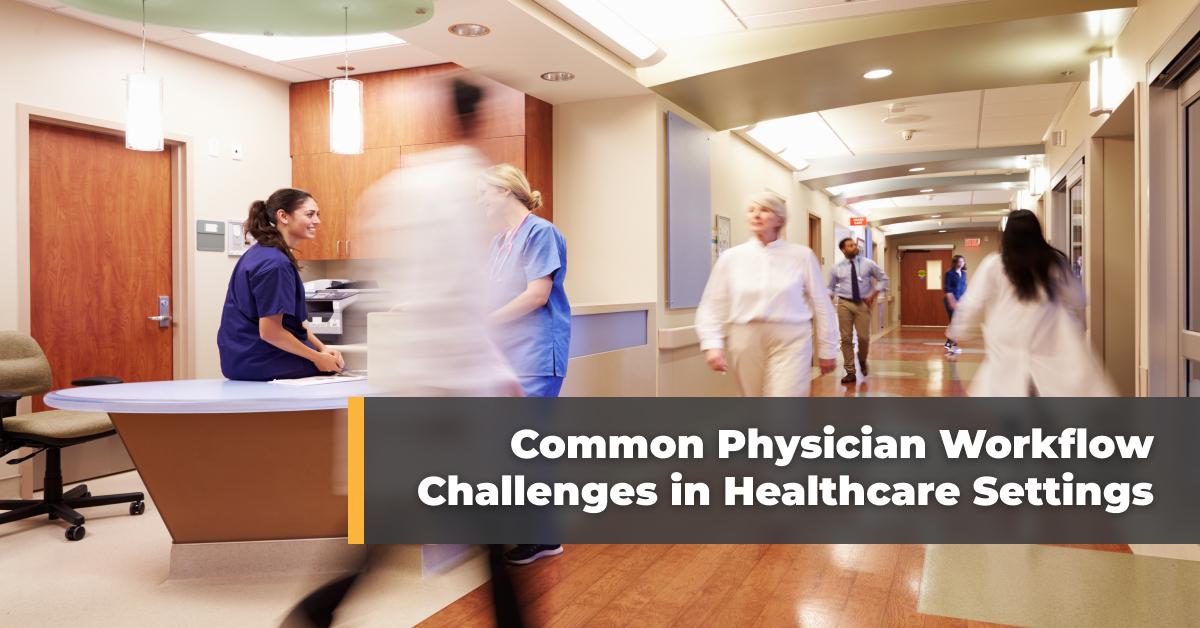
Physicians are at the heart of every patient encounter, procedure, and care decision—but even the most skilled teams can only move as fast as their environment allows. In hospitals and outpatient clinics across the country, operational inefficiencies are quietly chipping away at physician productivity and satisfaction.
From workflow disruptions to physical fatigue, the barriers physicians face every day don’t just impact schedules—they affect safety, patient experience, and retention.
So what’s really slowing your physicians down?
1. Administrative Overload
One of the greatest threats to physician efficiency is the growing administrative burden. Documentation requirements, EMR data entry, and compliance tracking continue to consume valuable clinical time, often at the expense of patient interaction.
Many physicians report spending more time clicking boxes than connecting with patients. In fact, one study found that for every hour of patient care, physicians spend nearly two hours on administrative work.
Sign up to get the latest industry news and offers right in your inbox

Solution:
Streamlining documentation through better technology integration and team support can help. Automating non-clinical tasks and reducing redundant data entry allows physicians to refocus their attention where it matters most—on patient outcomes.
2. Disrupted Workflows and Poor Space Design
The physical layout of care environments plays a major role in how efficiently physicians can move between tasks. Narrow hallways, cramped patient areas, and equipment that’s difficult to maneuver can lead to unnecessary delays and fatigue.
When spaces aren’t designed with the clinical workflow in mind, physicians often waste precious minutes simply moving between rooms or waiting for equipment to be repositioned. Over time, that adds up to significant productivity loss and frustration.
Solution: Designing rooms and selecting equipment that supports seamless movement and rapid patient turnover—without compromising comfort or safety—helps eliminate friction in daily routines.
3. Physician Fatigue and Ergonomic Strain
Long hours, repetitive movements, and physically demanding procedures can take a toll on even the most experienced physicians. Fatigue doesn’t just slow performance; it increases the risk of errors, burnout, and injury.
The Texas Heart Institute Journal reports that more than half of physicians experience symptoms of burnout, often linked to physical exhaustion and poor ergonomics in the workplace. Chairs, exam tables, and workstations that aren’t designed for extended use can accelerate that fatigue, especially in settings where physicians are constantly adjusting patient positioning.

Solution:
Investing in ergonomic seating and equipment designed for both patient and clinician comfort can dramatically improve energy levels and reduce strain over time.
Read More: “Creating a Culture of Care Starts in the Break Room”
4. The Erosion of the Physician–Patient Relationship
Beyond physical and administrative challenges, today’s physicians also face emotional obstacles. Increasing corporatization and productivity pressure have shifted the dynamics of care, often reducing face time between physicians and patients.
As Becker’s Physician Leadership notes, many clinicians feel they’re being pushed toward “transactional medicine,” where speed and volume take priority over connection and compassion. The result? Lower patient satisfaction and higher provider frustration.
Solution:
Restoring balance means designing workflows and spaces that encourage human connection—through thoughtful room design, comfortable seating, and supportive tools that let physicians engage fully with their patients.
Read More: “Creating Healing Environments for Patients and Staff”
How Better Design Improves Physician Efficiency and Patient Safety
When hospitals and clinics invest in better workflow design and physician-friendly equipment, they’re not just improving the physical environment—they’re improving care. Every detail, from the layout of a treatment room to the comfort of a patient chair, can either support or slow the physician experience.
That’s where thoughtful medical seating design comes in.
Why Ergonomic Seating Matters: Meet the Inverness
Every detail of Champion’s Inverness medical recliner was crafted to support comfort for patients and for the caregivers who move through long, demanding shifts. Its intuitive controls, compact footprint, and smooth mobility make it easy for physicians and nurses to provide care without unnecessary strain or repositioning.
- Effortless mobility for fast transitions between care areas
- Ergonomic design that supports long shifts and minimizes fatigue
- Comfort-focused features that enhance patient relaxation during exams or treatments
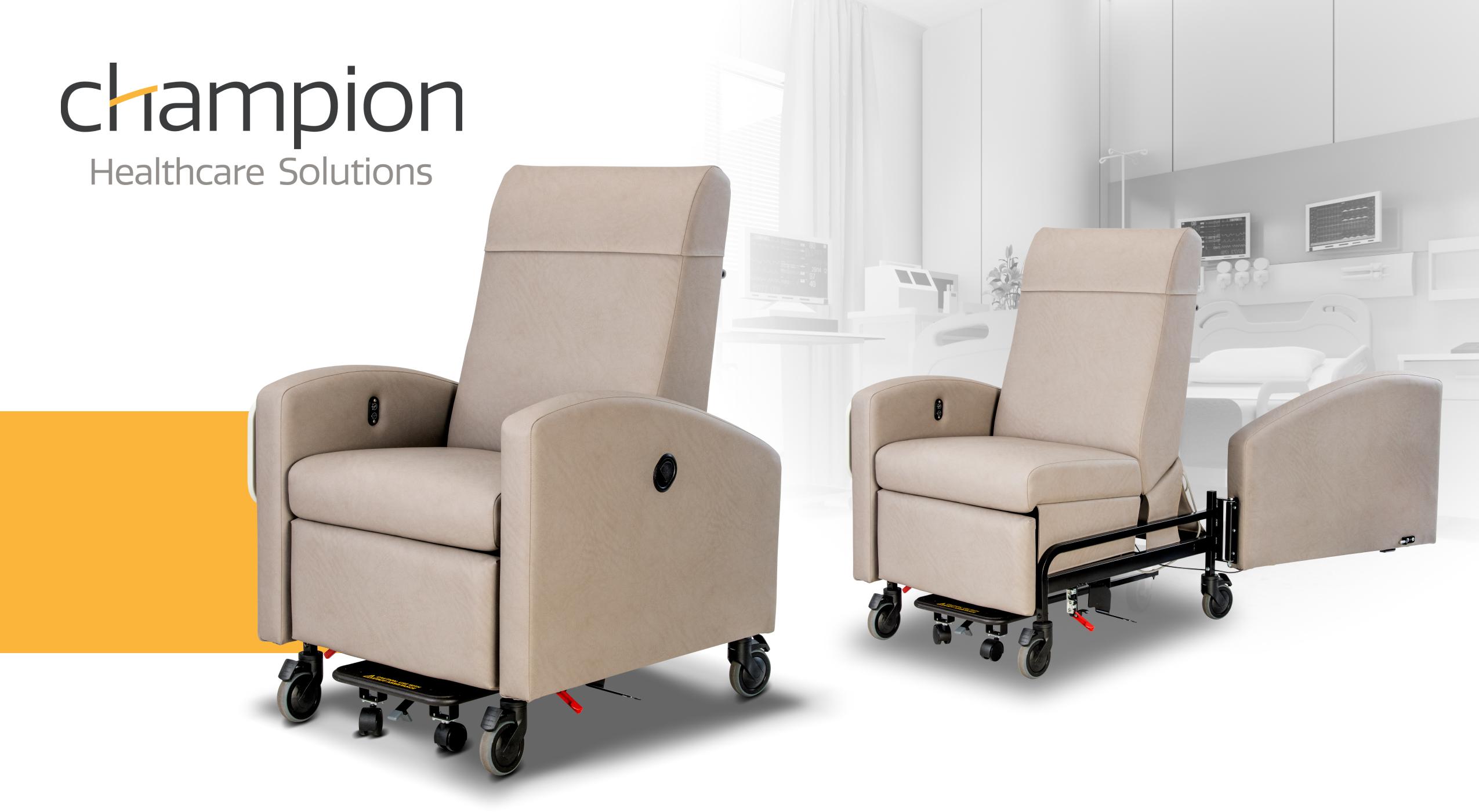
From infusion to recovery rooms, the Inverness helps create a more efficient, physician-friendly environment that empowers your team to deliver better care comfortably and consistently.
Let’s Find the Right Fit for Your Facility
The right seating can make a measurable difference in physician performance, patient safety, and overall workflow.
Contact our team today or try our virtual configurator to customize the Inverness—and any of our other medical recliners—for your space and clinical needs.