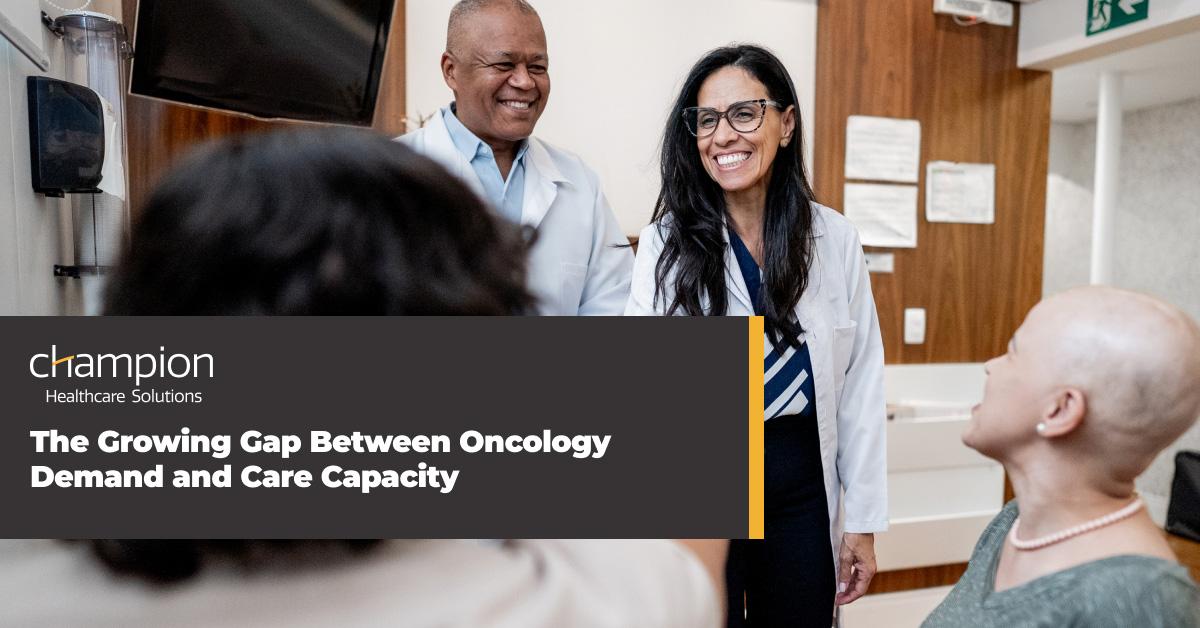
Cancer care in the United States is entering a critical moment. More people than ever are being diagnosed with cancer, treatment options are expanding, and patients are living longer with ongoing care needs. At the same time, the oncology workforce is not growing at the pace required to meet that demand.
Recent analyses point to a widening gap between oncology demand and available care capacity—one that has implications not only for access, but for quality, continuity, and equity in cancer care over the next decade.
Rising Cancer Demand Is Outpacing Workforce Growth
Cancer incidence continues to rise nationwide, driven in part by an aging population and improved detection. For the first time, the U.S. has surpassed two million new cancer diagnoses annually, placing unprecedented pressure on oncology services.
While the number of practicing oncologists is expected to grow modestly, multiple workforce analyses project that this growth will not keep pace with rising cancer incidence, particularly as the population ages. As a result, oncology care capacity is projected to fall short of future demand, especially in non-metropolitan areas.
This mismatch means that more patients are competing for limited clinical time, appointments, and resources.
Sign up to get the latest industry news and offers right in your inbox
Workforce Shortages Go Beyond Physicians
Discussions about oncology workforce shortages often focus on physician counts, but the issue is far broader. Oncology care relies on highly specialized, multidisciplinary teams that include nurses, advanced practice providers, pharmacists, social workers, and support staff.
As staffing gaps grow across these roles, the burden on those who remain intensifies. Fewer team members are expected to manage increasingly complex treatment regimens, monitor for adverse reactions, educate patients, and coordinate care, often simultaneously.
The result is not just longer wait times, but less flexibility and fewer opportunities for meaningful patient interaction.
Geographic Disparities Are Widening the Care Gap

Workforce shortages are not evenly distributed across the country. Projections suggest that while some metropolitan areas may approach adequate oncology staffing levels in the coming years, non-metropolitan and rural regions face severe shortages, with coverage levels projected to fall far below what is needed to meet patient demand.
For patients in these areas, limited access can mean:
- Longer travel times for treatment
- Delayed diagnoses
- Fewer provider options and longer wait times
- Increased strain on local clinics and hospitals
These disparities threaten to widen existing gaps in cancer outcomes tied to geography and socioeconomic status.
Burnout and Administrative Burden Are Accelerating the Problem
Burnout has emerged as a significant factor in oncology workforce attrition. High emotional labor, complex clinical decision-making, and increasing administrative demands are pushing some clinicians to reduce hours, change specialties, or leave clinical practice altogether.
At the same time, the pipeline of new oncology professionals faces challenges, including lengthy training pathways and limited incentives to practice in underserved areas. Without intervention, these pressures are likely to continue shrinking effective care capacity even as demand grows.
Read More: “What Oncology Nurses Face—and Why It Matters to Treatment Center Leaders”
What Workforce Constraints Mean for Cancer Care Today
For healthcare organizations, workforce strain is already reshaping how oncology care is delivered. Common impacts include:
- Longer wait times for new patient appointments
- Tighter scheduling and higher daily patient volumes
- Reduced time for education, counseling, and emotional support
- Greater reliance on telehealth and alternative care models
While these adaptations help extend capacity, they also increase the importance of operational efficiency and supportive care environments that allow teams to work safely and sustainably.
How Healthcare Leaders Are Responding

Addressing the oncology workforce gap will require long-term, systemic solutions. Strategies gaining attention across the industry include:
- Expanding oncology training and fellowship programs
- Strengthening team-based care models that integrate advanced practice providers
- Incentivizing practice in underserved regions
- Reducing administrative burden through smarter workflows and technology
In the near term, organizations are also looking closely at how physical environments and care processes can reduce friction in daily work, helping teams do more without adding strain.
Supporting Teams in an Overextended Oncology Landscape
As oncology professionals are asked to manage higher volumes with fewer resources, every aspect of the care environment matters. Efficient layouts, intuitive workflows, and dependable equipment can help reduce unnecessary obstacles, allowing clinicians to focus on patient care rather than workarounds.
Read More: “2026 Oncology Space Design Trends: The Future of Infusion and Patient Comfort”
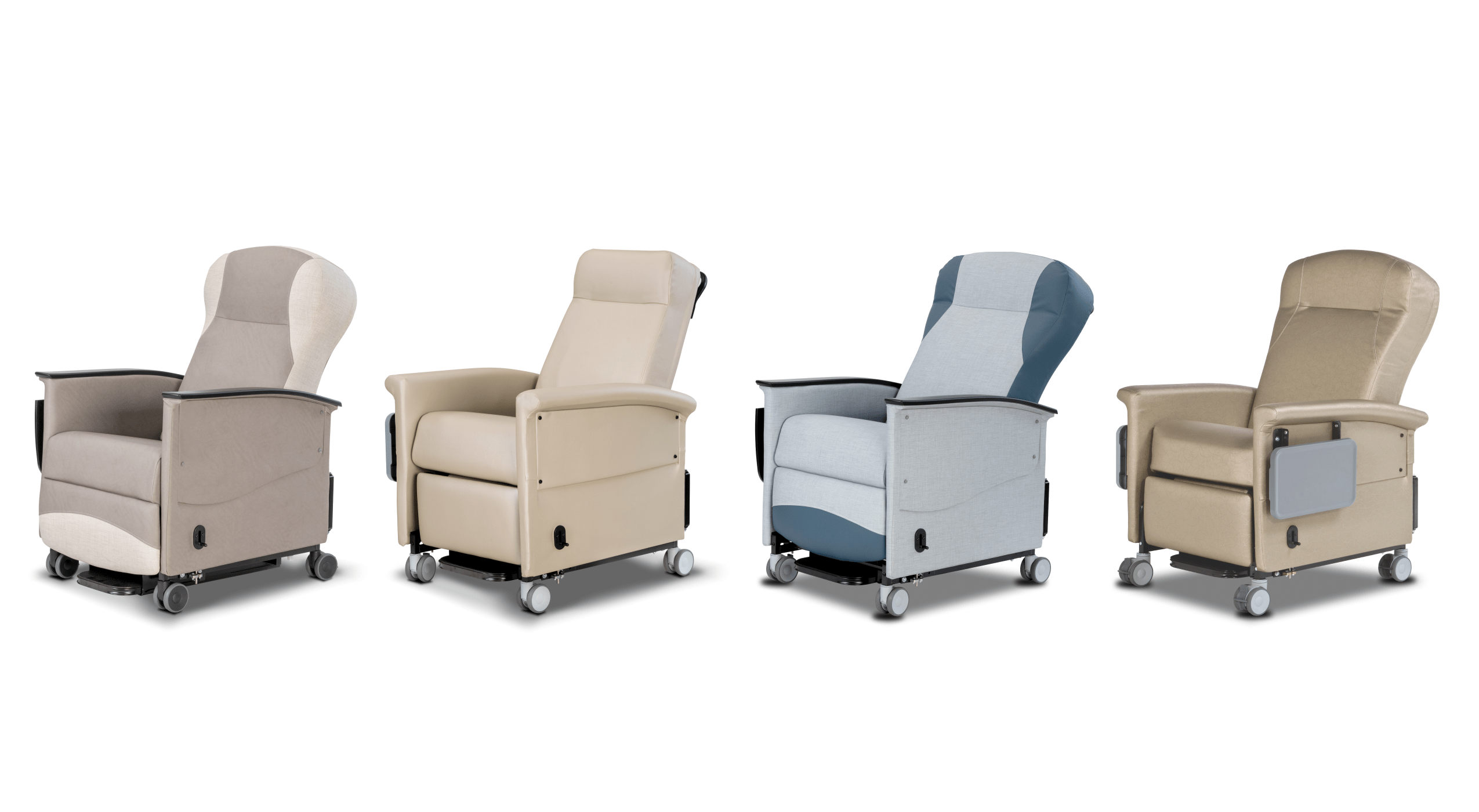
This is where thoughtfully designed oncology seating can play a meaningful role. Champion’s oncology chairs—Alō Treatment, Alō Recovery, Ascent, and Ascent II—are designed to support long treatment days, frequent clinician interaction, and the need for stability and access in fast-paced care settings. By reducing friction in daily workflows and supporting clinician movement and access, well-designed equipment can help teams work more efficiently within existing capacity constraints.
While no single solution can close the oncology workforce gap, intentional operational and environmental decisions can help stretch capacity and support the people delivering care on the front lines.
If you’re evaluating how your oncology environment can better support today’s care demands, connect with Champion or explore our virtual configurator to design oncology seating that fits your workflows and care spaces.